Mission Overview

The automotive garage KESSANRAD required a robust, backup lifting solution for seasonal tire changes. The challenge was to design a system capable of lifting a vehicle safely while meeting strict constraints regarding storage space (trunk compatibility) and manufacturing costs.

Approach: A comparative study between hydraulic and mechanical solutions led to the selection of a screw-actuated scissor jack. The project covered the entire engineering V-cycle, including functional analysis, material science, and static simulation.

// TECH_STACK

CATIA V5
Abaqus (FEA)
Ashby Method
Python (RDM)

Engineering Process

Material Optimization
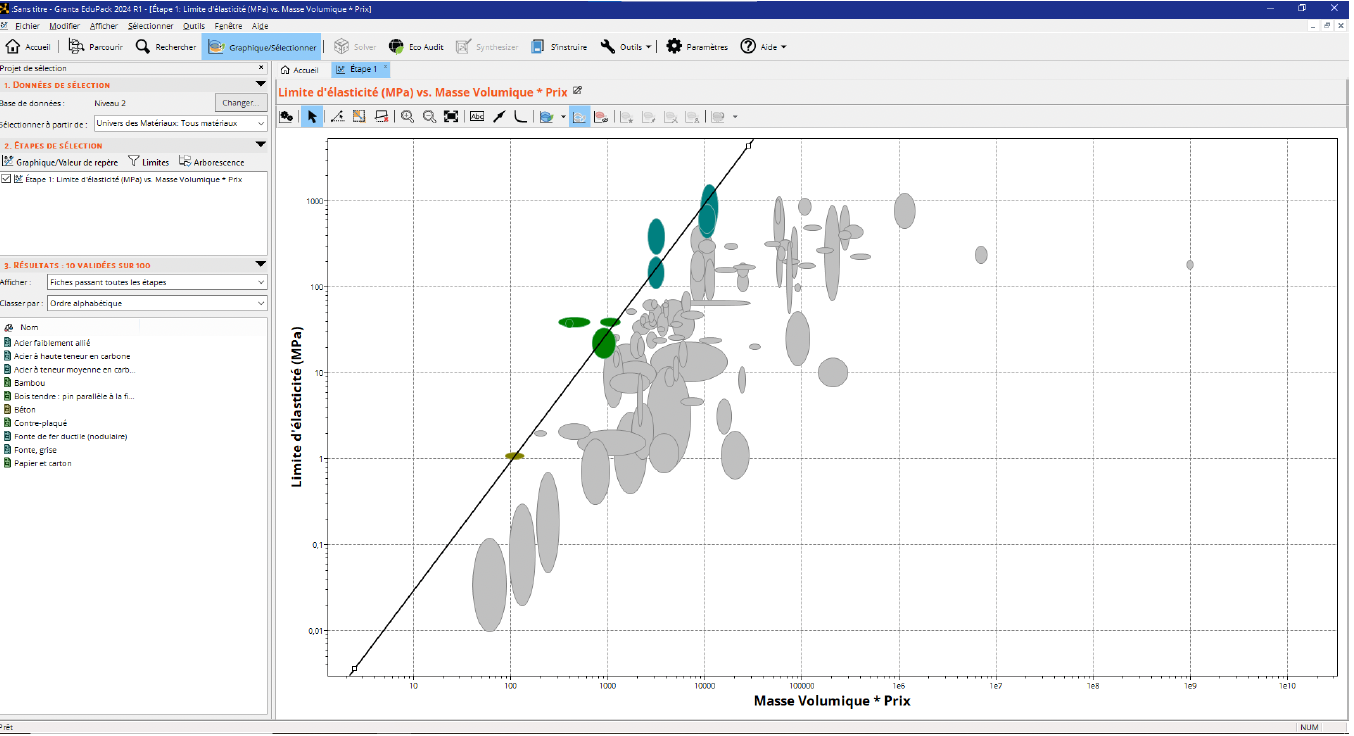
Ashby diagram for material selection

Application of the Ashby method to select Ductile Cast Iron. Key criteria included high recyclability (>45%), yield strength (>400 MPa), and corrosion resistance without expensive surface treatments.

Compact Architecture
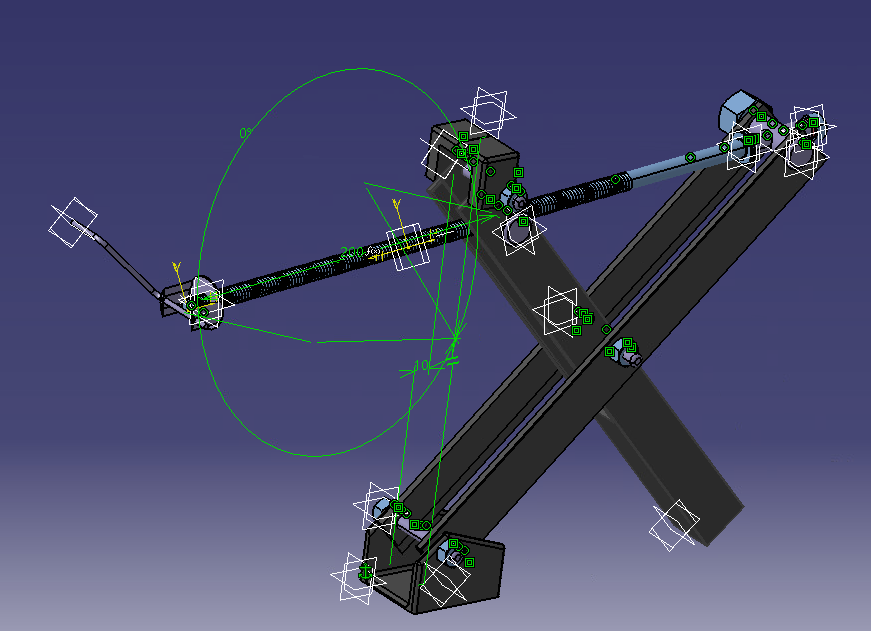
CATIA 3D Model of the Scissor Jack

Innovative "Split Beam" design: splitting the main beam into two articulated elements allowed the jack to fold onto itself, reducing the total width by 50% for easier storage.

Finite Element Analysis
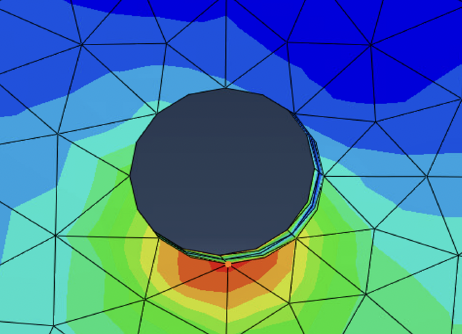
Von Mises Stress Distribution

Advanced structural validation using Finite Element Method (MEF). Click to toggle between Stress Visualization and the Refined Mesh strategy (1.6mm).

Key Outcomes

  • Compactness: 50% width reduction achieved through smart kinematic design.
  • Sustainability: Selection of Ductile Iron ensures high recyclability and durability.
  • Reliability: Validated under critical load configurations (Screw transmission robustness).

Technical Report

Full documentation covering functional analysis, material selection process (Ashby charts), calculation notes, and CAD drawings.

DOWNLOAD FULL PDF