Flight Dynamics & IMU Analysis
Experimental characterization of frisbee flight mechanics using an embedded Inertial Measurement Unit (IMU) and theoretical aerodynamic modeling.
Mission Overview
With the rise of "connected sports" and Disc Golf, understanding the aerodynamic behavior of a flying disc is crucial for performance optimization. This research project aims to characterize the flight mechanics of a frisbee using embedded IoT sensors.
Objective: Design a lightweight, embedded system to capture real-time kinematic data (Roll, Pitch, Yaw) and develop a signal processing pipeline to filter noise and model the trajectory accurately.
// TECH_STACK
Experimental Setup & Results
Physical Flight Model
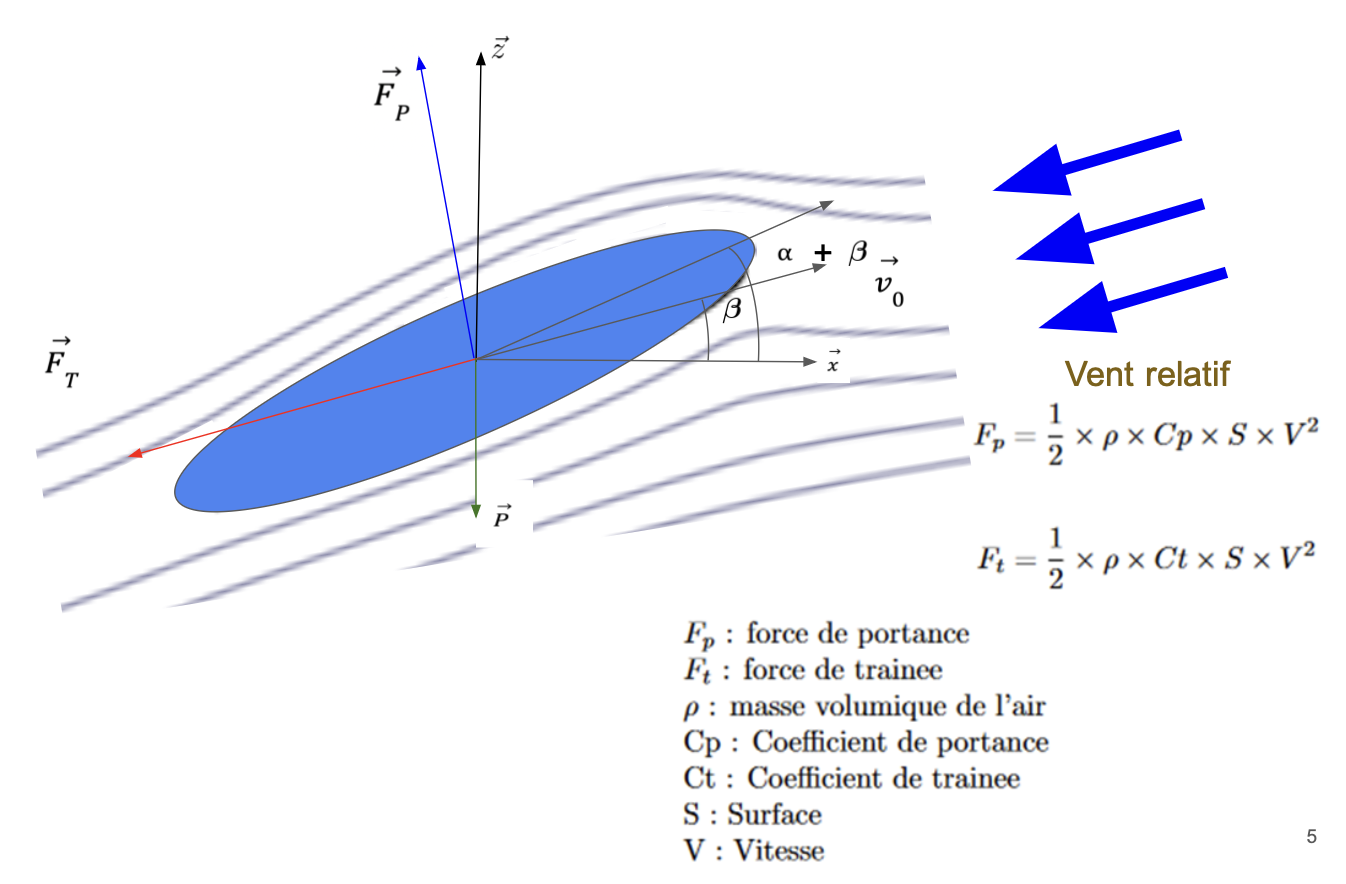
Free-body diagram validating the interaction between the disc's mechanical energy and the Relative Wind. Decomposition of aerodynamic forces into Lift (Portance) and Drag (Traînée) components.
Embedded System
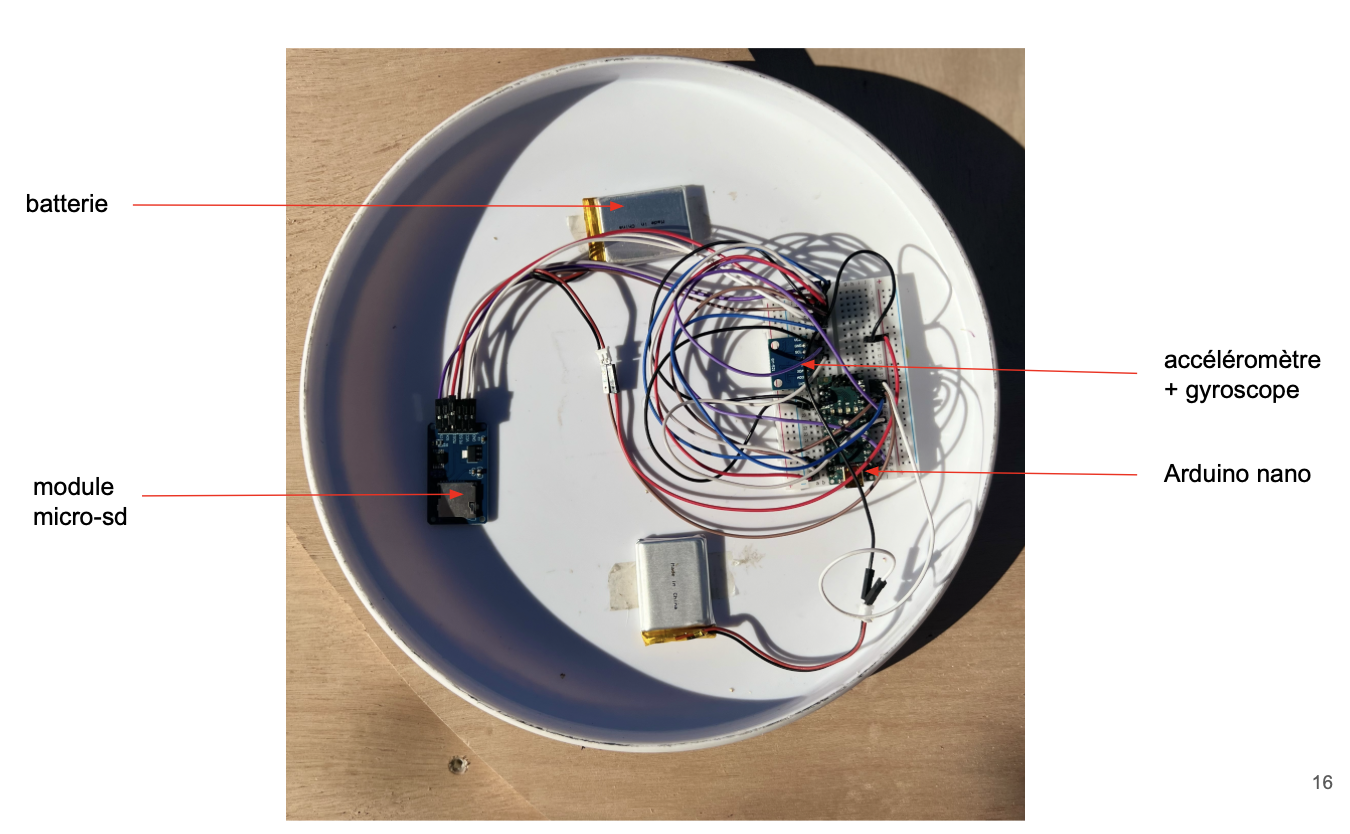
Integration of an Arduino Nano, MPU-6050 Accelerometer/Gyroscope, and Micro-SD logger directly onto the disc center of gravity to minimize flight disruption.
Mechanical Launcher
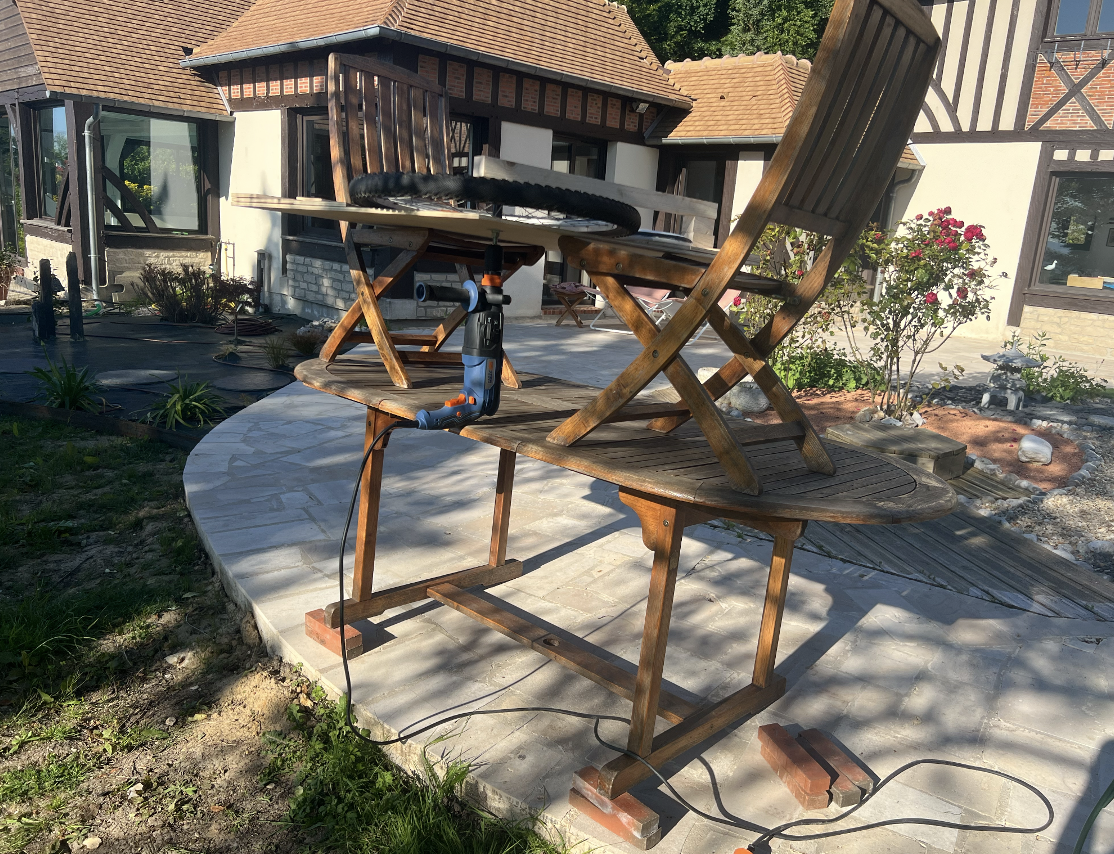
Design of a mechanical launching device to ensure reproducibility of throws. Allows precise control of initial velocity and rotation. (Click to see 3 views).
Key Outcomes
- ▹ Data Acquisition: Successful recording of high-speed rotation dynamics (> 500 deg/s).
- ▹ Drift Correction: Implementation of a Complementary Filter (0.96/0.04) stabilized pitch and roll measurements.
- ▹ Validation: Experimental trajectories correlated with theoretical flight models.